
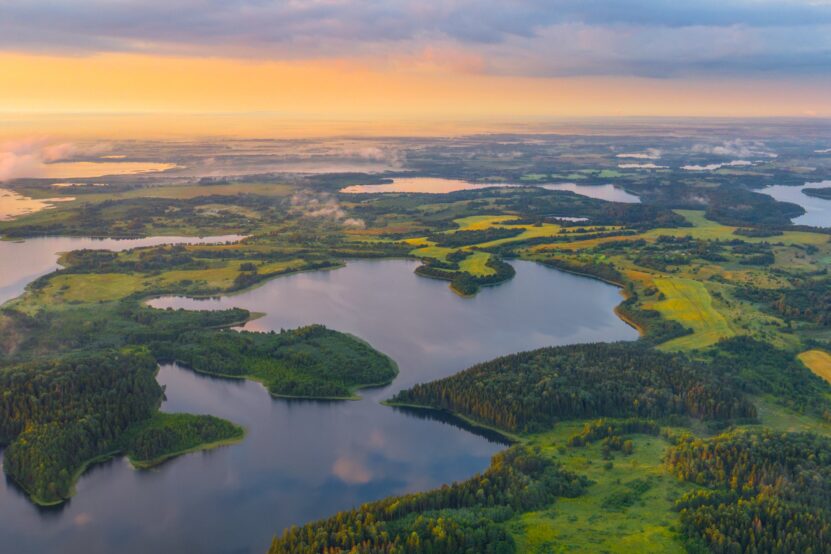
Minnesota is widely known as the Land of 10,000 Lakes, though the state actually contains 11,842 lakes that are 10 acres or larger. Water shapes daily life across the state.
Summer cabins, fishing traditions, and weekend boating trips are central to local culture.
Seasonal rhythms follow the lakes, with warm months centered on swimming and paddling and colder months focused on ice-based recreation.
Coverage here includes major lakes and waterbodies, top activities, scenic stops, and key reasons to visit each region.
Northern wilderness waters, classic family vacation hubs, and urban lakes in Minneapolis all play a role in shaping Minnesota’s identity.
Let’s check them out.
Region by Region Breakdown
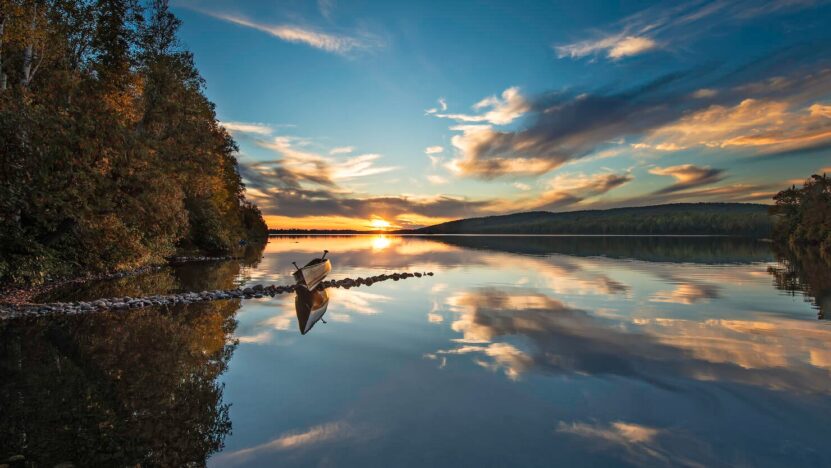
Minnesota’s identity shifts as you travel across its lake regions. Northern wilderness waters contrast with family resort hubs in central counties, while metro lakes bring outdoor recreation into an urban setting.
Northern Minnesota Lakes
Northern Minnesota is defined by vast forests, remote shorelines, and water routes that have been used for centuries.
Canoe trails, fishing camps, and dark night skies create a setting focused on quiet recreation and time outdoors.
Boundary Waters Canoe Area Wilderness includes more than 1,000 interconnected bodies of water linked by canoe routes and portages.
Motor vehicles and most modern conveniences are not permitted in large portions of the area, which keeps noise and development limited.
Visitors travel by paddle, carrying gear across short land paths between lakes.
Shoreline campsites provide simple fire grates and tent pads, and stargazing is often exceptional due to minimal artificial light.
Key features include:
- More than 1,000 lakes and streams connected by mapped canoe routes
- Designated wilderness campsites accessible only by water or portage
- Strict permit system that limits daily entry to protect natural conditions
Voyageurs National Park operates as one of the rare water based national parks in the United States.
Boating is central to visiting, with many campsites accessible only by watercraft. Large lakes such as Rainy Lake and Kabetogama Lake provide room for houseboats, fishing boats, and kayaks.
Forested shorelines create habitat for wildlife. Visitors commonly report sightings such as:
- Bald eagles perched along tall pines
- Moose feeding near shallow bays
- Black bears moving through wooded areas
Lake of the Woods stretches along the border with Ontario, Canada, covering a massive surface area dotted with hundreds of islands.
Anglers travel here for consistent walleye fishing, often hiring local guides to navigate the maze of channels and reefs. Ice roads are plowed across frozen sections in winter, allowing vehicles to reach heated ice houses.
Annual patterns on this lake include:
- Open water fishing in spring, summer, and fall
- Ice fishing villages set up during winter months
- Cross border boating routes near Canadian waters
Central Lakes and Classic Vacation Spots
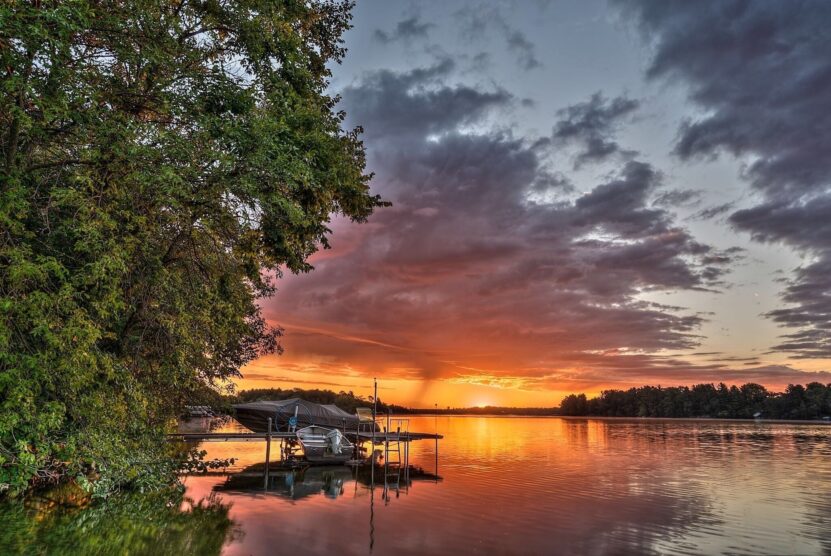
Central Minnesota has long served as a traditional vacation area for families seeking cabins, fishing, and resort life.
Lakes in this region are often surrounded by small towns that cater to summer visitors and winter recreation alike.
Lake Superior’s North Shore in Minnesota stretches 154 miles along cliffs, forests, waterfalls, and historic lighthouses.
Although shared with other states and Canada, Minnesota’s stretch features scenic overlooks and hiking access along the rocky shoreline.
Autumn storms can produce waves that resemble those of an ocean. Popular stops along this stretch include:
- Split Rock Lighthouse State Park
- Gooseberry Falls State Park
- Small harbor town of Grand Marais
Mille Lacs Lake is Minnesota’s second-largest lake after the Red Lake system. Anglers travel across the Midwest to fish for walleye and smallmouth bass. Resorts, marinas, and public beaches line portions of the shoreline.
Seasonal use generally follows this pattern:
- Spring and summer fishing tournaments
- Busy boating traffic during peak summer weekends
- Ice fishing houses placed across frozen sections in winter
Brainerd Lakes area, including Gull Lake, operates as a central vacation hub filled with resorts, golf courses, and attractions suited for families.
Waterfront cabins, boat rentals, and organized lake events keep activity levels high during summer.
Winter months maintain energy through ice fishing festivals and extensive snowmobile trail systems that connect surrounding communities.
Lake Vermilion features 365 islands scattered across clear water. Boat in camping gives visitors access to secluded sites that feel remote yet remain reachable by motorboat.
Fishing remains strong for walleye and northern pike, and cabin rentals provide comfortable lodging options along wooded shorelines.
Twin Cities Region Lakes
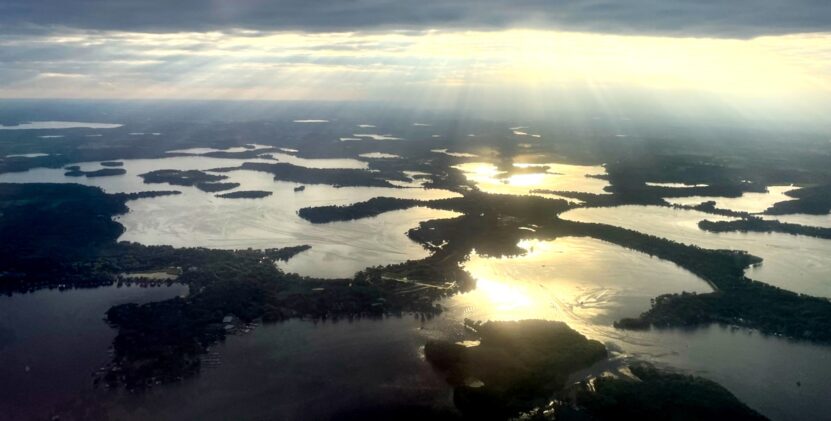
Metro area lakes provide daily access to outdoor recreation for residents and visitors.
Urban development surrounds these waters, yet public access and trail systems remain a priority.
Chain of Lakes in Minneapolis includes Bde Maka Ska, Lake Harriet, and Lake of the Isles. Paved trails circle each lake, attracting walkers, runners, and cyclists in every season.
Summer use often includes:
- Kayaks and paddleboards launched at public access points
- Sailing lessons and small regattas
- Designated swimming beaches staffed with lifeguards
Winter conditions turn these same lakes into skating rinks and cross country ski routes once ice thickness becomes safe. Community events and informal hockey games are common during colder months.
Lake Minnetonka lies west of Minneapolis and covers a large surface area with multiple bays and inlets.
Wake surfing, sailing, and waterfront dining define summer activity. Prince filmed scenes connected to Purple Rain in this area, tying the lake to Minnesota’s music culture.
Wayzata Chilly Open takes place on the frozen surface in winter, drawing crowds who play golf on ice and gather for seasonal festivities.
Other Noteworthy Waters
Several additional lake regions deserve attention for their scale and recreation options.
Otter Tail and Detroit Lakes area contains more than 400 lakes within 25 miles. Travelers often choose a single lodging base and rotate among nearby lakes for swimming, boating, and fishing. Local businesses support lake visitors through:
- Bait shops and fishing guides
- Public beaches and boat launches
- Seasonal festivals centered on water recreation
Lake Pepin forms a wide section of the Mississippi River bordered by river towns and tall bluffs. Sailing and water skiing are common during warm months, and scenic overlooks attract photographers.
Communities along the shoreline host annual festivals that celebrate river life and local history.
Red Lake covers 444 square miles, making it the largest lake entirely within Minnesota. Expansive shorelines and strong fishing traditions shape its identity. Anglers focus heavily on walleye, and winter ice fishing activity can spread across large sections once the surface freezes solid.
Must-See Stops and Attractions
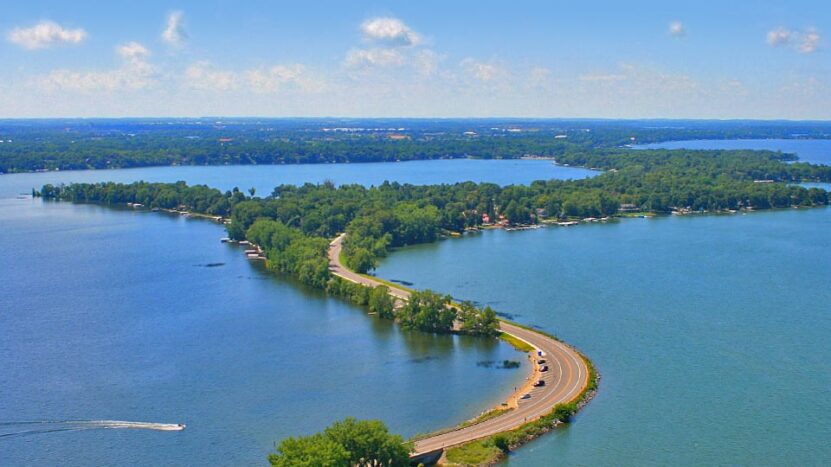
Cultural and recreational stops complement time spent on the water. Cities, parks, and scenic drives create a full travel experience.
Twin Cities offer arts, history, and an active food scene. Minneapolis and Saint Paul support theaters, music venues, and museums operating year-round.
The Walker Art Center and adjacent sculpture garden present outdoor art installations, while the Stone Arch Bridge provides sweeping views of the Mississippi River and downtown skyline.
Mall of America ranks among the largest entertainment complexes in the United States.
Indoor amusement rides, extensive shopping, and varied dining make it a practical option during rainy days or rest periods between lake outings.
North Shore Scenic Drive follows Lake Superior along a 154-mile route lined with overlooks, waterfalls, and trailheads. Roadside stops allow visitors to access state parks and shoreline viewpoints.
Notable destinations along this route include:
- Split Rock Lighthouse State Park
- Gooseberry Falls with multiple waterfall tiers
- Grand Marais harbor and arts community
- Outdoor Activities and Lake Life Experiences
Recreation on Minnesota lakes spans warm and cold seasons, shaping daily life in many communities.
Water activities dominate summer recreation. Boating, kayaking, paddleboarding, tubing, and swimming take place on thousands of lakes statewide.
Cabin owners often maintain docks and pontoons for direct water access.
Some homeowners use equipment such as a lake weed blower to keep swimming areas clear of aquatic growth.
Fishing remains a core tradition across regions. Target species commonly include:
- Walleye
- Northern pike
- Muskie
Guided trips operate on major lakes, and portable shelters appear once ice forms.
Winter transforms frozen lakes into wide open recreation areas. Ice fishing shelters cluster together in popular spots.
Snowmobiles cross marked trails that run over lake surfaces, linking towns and rural properties. Skaters and snowshoers take advantage of flat terrain and consistent snow cover.
Superior Hiking Trail runs along Lake Superior’s edge and connects parks and overlooks through elevated ridges and forested sections. Day hikers and long distance trekkers use marked segments to experience panoramic views above the water.
Planning Your Trip
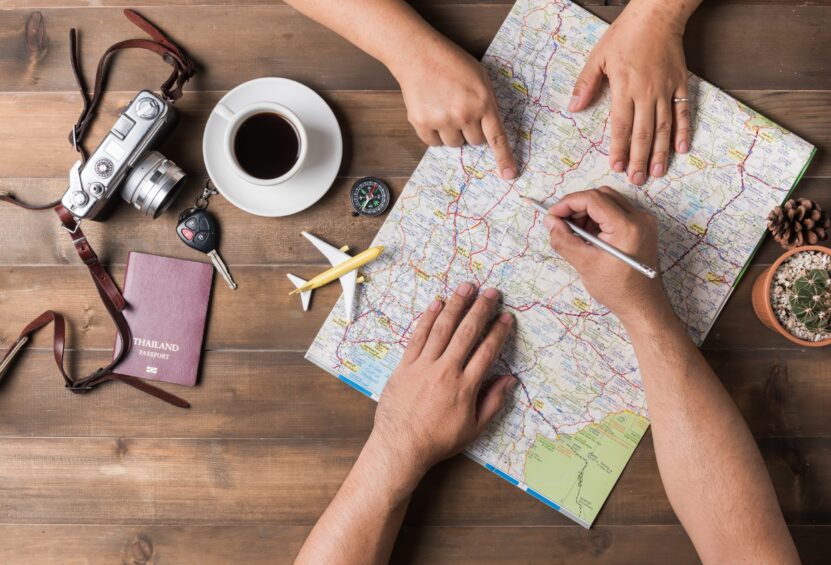
Trip planning depends on season and personal interests.
Summer provides warm water, active marinas, and busy beaches. Fall introduces colorful shoreline forests and quieter highways. Winter supports ice fishing, skating, and festivals held directly on frozen lakes.
Suggested itineraries can combine city culture and lake time. Weekend in the Twin Cities might pair museum visits with paddling on Chain of Lakes or boating on Lake Minnetonka.
Northern adventure could center on canoe travel in Boundary Waters Canoe Area Wilderness or boating routes in Voyageurs National Park.
North Shore loop typically connects Lake Superior views with stops at Gooseberry Falls and Split Rock Lighthouse.
Road trips connect major lakes and parks through U.S. highway scenic routes. Many travelers link Brainerd Lakes, Mille Lacs, and Twin Cities in one extended drive.
Northern routes may include Lake Vermilion and Lake of the Woods for a broader look at Minnesota’s water based recreation network.
Summary
Minnesota’s lakes shape outdoor recreation, cultural life, and seasonal traditions across the state.
Quiet ponds, massive border waters, urban sailing lakes, and remote canoe routes each contribute to a broader story.
Year-round activities, wide-ranging scenery, and strong community traditions make Minnesota one of the most water-centered states in the country.